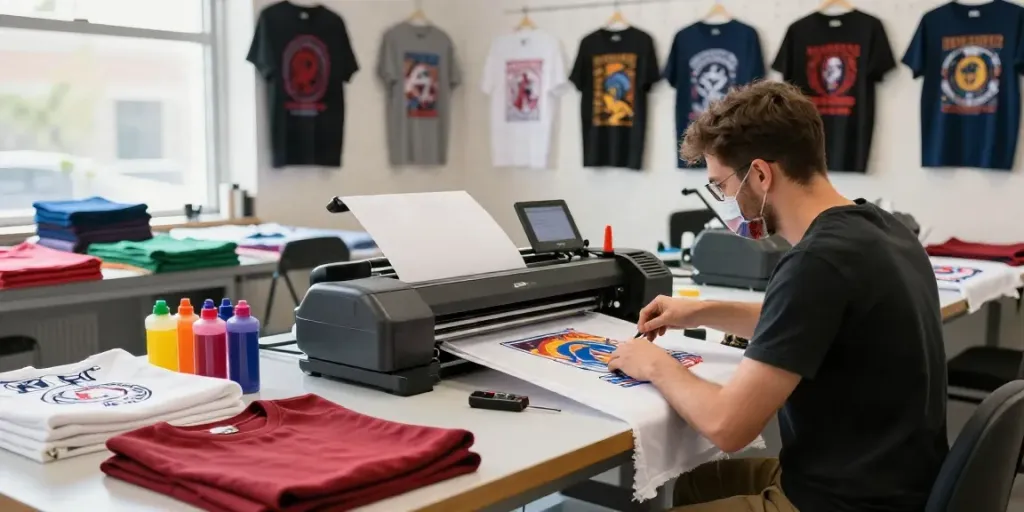
Understanding the DTF Printing Technology
Digital printing has evolved significantly over the last decade, and one of the most innovative methods to emerge is Direct-to-Film (DTF) printing. This technology has gained popularity among small to medium-sized textile businesses due to its versatility and efficiency. DTF printing employs high-quality inks and specialized films to produce vibrant, long-lasting prints that can be applied to various fabrics. When exploring options, imprimante dtf france offers comprehensive insights into the benefits and features of DTF printers.
What is DTF Printing?
DTF printing, or Direct-to-Film printing, is a method that transfers designs onto a film before applying them to the final fabric. The process involves printing the design onto a special PET film using DTF inks, followed by a heat transfer that adheres the design onto the fabric surface. This method is not only efficient but also allows for high-quality prints that maintain their integrity over time.
Key Components of DTF Printers
To understand DTF printing fully, it's essential to recognize the key components that make up a DTF printer. These include:
- DTF Inks: These specially formulated inks ensure vibrant colors and excellent adhesion to various fabrics.
- PET Film: The film serves as a substrate for the printing process, allowing the ink to be transferred effectively.
- Adhesive Powder: This powder is applied to the printed film and helps in ensuring the ink adheres properly to the fabric during the transfer process.
- Heat Press Machine: Essential for transferring the design from the film to the fabric, the heat press applies heat and pressure to achieve a durable transfer.
How DTF Differs from Traditional Printing Methods
Compared to traditional methods like Direct-to-Garment (DTG) printing, DTF offers several advantages, including the ability to print on a wider variety of fabrics, better color vibrancy, and reduced costs for small batches. DTG printing typically requires pre-treatment of fabrics, which can slow down the production process and impact overall efficiency.
Advantages of Using an Imprimante DTF France
Investing in a good quality DTF printer can present numerous benefits for a textile business. Here are some of the key advantages:
Cost-Effectiveness for Small Businesses
For small businesses, every cost counts, and DTF printing offers a cost-effective solution compared to other printing methods. The ability to print designs directly onto the film rather than the fabric saves on material costs and minimizes waste, allowing businesses to maximize profit margins.
Versatility Across Different Fabrics
One of the standout features of DTF printers is their versatility. Unlike DTG printers, which are primarily suited for cotton, DTF printers can work on a wide range of materials including cotton, polyester, spandex, nylon, and blended fabrics. This flexibility enables businesses to take on a wider array of projects without the need for multiple printers.
High-Quality Color Reproduction and Durability
The color quality achievable with DTF printing is impressive, often surpassing other methods. The inks used in DTF printers provide vibrant colors, and since the designs are transferred via a heat press, they are durable and resistant to fading, even after multiple washes. This results in high customer satisfaction and repeat business.
Step-by-Step Guide on Getting Started with DTF Printing
Starting a DTF printing operation can be straightforward with the right guidance. Here’s a step-by-step guide:
Choosing the Right DTF Printer for Your Needs
Selecting the right DTF printer involves considering your specific business requirements. Factors such as print volume, fabric types, and budget will guide your decision. Procolored offers a variety of models suitable for both beginners and experienced entrepreneurs, ensuring you find an ideal match.
Setting Up Your Printing Process Efficiently
Once you have your printer, setting up your workspace is crucial. Organize your production area for efficiency by placing your printer, heat press, and material storage in a logical layout. Ensure you have all necessary supplies at hand to minimize downtime during production.
Best Practices for Designing Graphics for DTF
Creating graphics for DTF printing involves using design software compatible with high-resolution output. Utilize vector graphics where possible, as these can be resized without losing quality. Additionally, consider the colors and layering, as these factors can affect the final print quality.
Common Challenges in DTF Printing
While DTF printing is advantageous, it is not without its challenges. Here are some common issues and how to address them:
Addressing Quality Control Issues
Quality control is vital in any printing process. Regularly inspect prints for color accuracy and adherence quality. Adjust printer settings as needed to maintain high standards consistently.
Understanding Ink and Film Compatibility
It’s essential to use compatible inks and films to achieve optimal results. Mismatched materials can lead to poor adherence and fading. Always source high-quality supplies and consult with manufacturers for recommendations.
Handling Equipment Maintenance and Repairs
Regular maintenance of your DTF printer will prolong its life and improve output quality. Follow the manufacturer’s guidelines for cleaning and servicing, ensuring you keep spare parts on hand to minimize downtime.
Future Trends in DTF Printing for 2026
As the industry evolves, several trends are likely to shape the future of DTF printing:
Emerging Technologies and Innovations
Advancements in ink technology and improved manufacturing processes are on the horizon. Expect to see DTF printers becoming more user-friendly, with automated systems for both printing and maintenance that enhance productivity.
Market Predictions for DTF Printers
The demand for DTF printers is expected to grow significantly over the next few years, amid rising trends in custom apparel and personalization. Businesses adopting this technology early will likely gain a competitive edge.
How Sustainability Will Influence Printing Practices
Environmental concerns are driving the move towards more sustainable printing practices. As such, DTF technology could lead to less waste and more eco-friendly inks being developed, aligning with broader industry sustainability goals.
What is the price of a DTF printer?
The price of DTF printers can vary widely based on features and capabilities, ranging from entry-level models starting around €1,000 to more advanced machines that can cost several thousand euros. Evaluating your business needs will help determine the right investment.
Where can I buy DTF printers in France?
Many suppliers across France offer DTF printers, ranging from online retailers to specialized equipment distributors. Researching various options and comparing features will yield the best choices for your needs.
Which DTF printer is best for beginners?
Beginners should consider models that are user-friendly, require minimal setup, and come with comprehensive support. Entry-level A4 DTF printers are often recommended for those just starting in the industry.
How does DTF printing compare to DTG?
While both DTF and DTG printing methods have their unique advantages, DTF printing is generally preferred for its versatility across fabrics, better cost efficiency for small batches, and superior print durability. The choice largely depends on the specific needs of a business.
What maintenance is needed for DTF printers?
Regular maintenance includes cleaning print heads, checking ink levels, and replacing worn components. Adhering to routine maintenance schedules will ensure optimal printer performance and longevity.