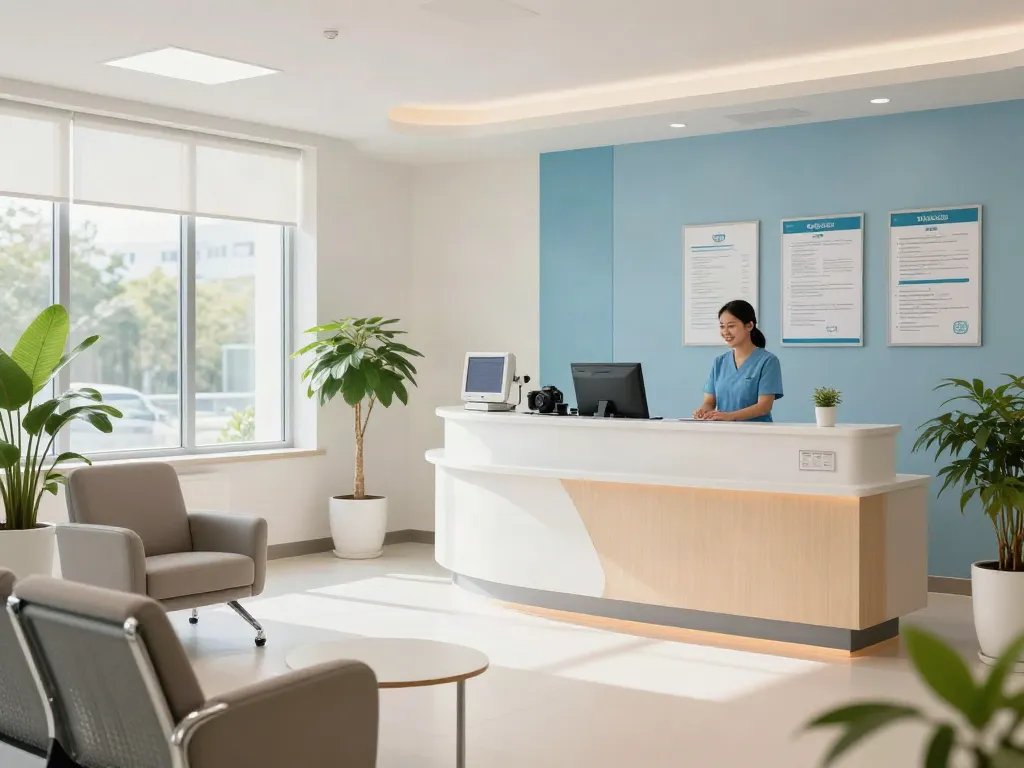
Understanding Healthcare Services Available in 2026
As we navigate the evolving landscape of healthcare in 2026, understanding the breadth of services available is essential for patients seeking quality care. With advancements in medical technology and a focus on patient-centered approaches, today's healthcare system aims to provide comprehensive and accessible services tailored to individual needs. Patients can benefit significantly from innovations such as telemedicine and personalized care plans, which enhance the delivery of services and patient outcomes. When exploring options, situs togel provides comprehensive insights into available healthcare services.
Primary Care: Your First Step to a Healthier Life
Primary care serves as the cornerstone of the healthcare system, acting as the first point of contact for patients. Primary care providers play a critical role in preventive health, chronic disease management, and general health maintenance. Regular visits to a primary care physician can lead to early diagnosis of health conditions, which is crucial for effective treatment and improved health outcomes.
Patients are encouraged to schedule annual check-ups that typically include routine screenings, vaccinations, and discussions around lifestyle modifications. By maintaining an ongoing relationship with a healthcare provider, patients create a comprehensive health management strategy that is proactive instead of reactive.
Innovative Telemedicine: Accessing Healthcare From Anywhere
Telemedicine has revolutionized how healthcare is delivered, especially in the wake of the global pandemic. Patients can now access medical consultations from the comfort of their homes, significantly reducing travel time and increasing convenience for busy lifestyles. Telemedicine encompasses a range of services, from routine consultations to specialized care in mental health, where barriers to access are often more pronounced.
As technology evolves, the quality of care provided through telemedicine platforms continues to improve, with features such as virtual examinations, remote monitoring, and secure messaging systems that enable continuous patient engagement.
Pediatric and Geriatric Care: Tailored Approaches for Every Age
Different life stages require unique healthcare considerations. Pediatric care ensures that children receive age-appropriate preventive care and vaccinations to promote healthy growth and development. In contrast, geriatric care focuses on addressing the complex health needs of older adults, emphasizing chronic disease management and maintaining quality of life.
Both areas demand a tailored approach to treatment, ensuring that healthcare providers understand the distinct physiological and psychological aspects that affect patients’ outcomes at different ages.
Best Practices for Patient Care and Treatment Outcomes
Compassionate Care: What Patients Should Expect
Compassionate care is fundamental to the patient experience and can significantly impact treatment outcomes. Healthcare providers are encouraged to create an environment that cultivates trust, openness, and understanding. This approach allows patients to feel valued, respected, and involved in their care process, and it encourages honest communication about symptoms and concerns.
During treatment discussions, patients should be informed about the risks, benefits, and expected outcomes of procedures and therapies. Trained professionals are advised to practice active listening, enabling them to respond effectively to patient needs.
Advanced Preventive Health Screenings
Preventive health screenings are critical to identifying risk factors before they lead to serious health issues. Various screenings, such as blood pressure checks, cholesterol tests, and cancer screenings, are recommended based on age, gender, and family history. These services help in early identification and intervention, which is key to successful treatment and management of health conditions.
In 2026, guidelines encourage patients to discuss personal and family health histories with their healthcare providers to develop a more individualized screening schedule that reflects their specific health risks.
Chronic Disease Management: Staying Healthy Together
Chronic diseases such as diabetes, hypertension, and arthritis require continuous management strategies that often involve multidisciplinary care teams. Coordinated efforts among healthcare providers can lead to improved patient adherence to treatment protocols and better management of symptoms. Patients should be actively involved in setting health goals with their care teams, which enhances engagement and accountability.
Telehealth technologies facilitate ongoing monitoring and support, allowing patients to track their health metrics in real time, leading to more timely adjustments in treatment plans.
Mental Health Awareness and Treatment Options
Recognizing the Importance of Mental Well-Being
Mental health awareness has gained prominence in recent years, highlighting its essential role in overall health. Emphasizing emotional well-being and providing education about mental health conditions can reduce stigma and foster open discussions about mental health challenges. Patients are encouraged to seek help as early intervention can lead to better outcomes.
Regular mental health assessments and screenings are integral components of comprehensive healthcare, allowing providers to recommend effective treatment pathways that include therapy, medication, or lifestyle modifications.
Access to Counseling Services: Overcoming Barriers
Access to mental health services is vital but can often be hindered by geographical, economic, or societal barriers. Innovative approaches, such as online therapy platforms and community outreach programs, are essential to connect individuals with necessary resources. Simplifying access helps to meet urgent mental health needs and creates a support system for those experiencing difficulties.
Integrating mental health discussions into primary care appointments encourages patients to speak openly about their mental well-being alongside their physical health, promoting a holistic approach to diagnosis and treatment.
Innovative Therapeutic Practices for Improved Outcomes
Therapeutic practices have evolved, and patients can expect a variety of options including cognitive-behavioral therapy, mindfulness practices, and even art therapy as modalities to promote healing and emotional growth. Evidence-based therapies are becoming more accessible, providing diverse treatment plans tailored to individual patient needs for improved outcomes.
As research in mental health progresses, ongoing education for healthcare providers ensures they remain informed about modern therapeutic approaches that resonate with their patients.
Dental Care and Oral Health in 2026
Preventive Strategies for Optimal Oral Hygiene
Preventive dental care is critical for ensuring long-term oral health. Regular dental visits for cleanings and assessments help catch potential problems early. Oral hygiene instructions and patient education on effective brushing and flossing techniques are vital for maintaining health between visits.
With advancements in dental technology, tools such as personalized oral health apps are becoming common, enabling patients to track their hygiene practices and appointments, improving adherence to care recommendations.
Effective Treatments for Common Dental Issues
Common dental issues such as cavities and gum disease require timely interventions. Treatments such as fluoride treatments and deep cleanings can effectively manage these issues. Dentists should explain treatment options thoroughly, providing patients with the expected outcomes and care required post-treatment for optimal recovery.
Dental health professionals are encouraged to stay updated on the latest treatments and technologies that improve patient outcomes, ensuring comprehensive care plans are implemented for all patients.
Customized Patient Plans for Comprehensive Care
A customized dental plan should reflect each patient’s unique health needs, preferences, and lifestyle factors. By conducting thorough evaluations and maintaining open communication with patients, dental professionals can create tailored treatment strategies that promote better adherence and more favorable long-term oral health outcomes.
Regular updates to these plans based on changing patient needs or advancements in dental care help maintain a proactive stance in patient management.
Physical Therapy and Rehabilitation Services
Understanding the Path to Recovery: Options Available
Physical therapy and rehabilitation services are critical in helping patients recover from injuries, surgeries, or chronic conditions. Evaluations by licensed therapists form the basis of individualized treatment plans that support recovery and enhance mobility. Recognizing different recovery timelines is essential, as is setting realistic goals tailored to the patient’s abilities.
As people transition back to daily activities, supportive care continues to be paramount, ensuring an integrated approach to healing.
Integrating Technology into Physical Therapy
Advancements in technology have enriched the field of physical therapy, introducing innovative tools such as virtual reality and telehealth services that facilitate remote rehabilitation. Patients can engage in guided exercises from home while maintaining close contact with their therapists, making adjustments in real-time based on feedback.
Technology enhances the treatment experience and allows therapists to monitor recovery progress with data-driven insights, thus personalizing care strategy even further.
Patient Success Stories: Rebuilding Lives with Support
Success stories from patients undergoing physical therapy can inspire others facing similar challenges. Sharing experiences about how rehabilitation contributed to their journey fosters community support and emphasizes the importance of seeking help. Highlighting these stories creates awareness of the efficacy of early intervention and continuous support in achieving recovery goals.
Encouraging an open dialogue around recovery journeys can also motivate others to engage in their treatment plans and view rehabilitation as a pathway to regain independence and improve quality of life.